Posts Tagged ‘kettering dui attorney’

Blood Contamination & Candida Albicans (by DaytonDUI)

May 10th, 2013

Feeling Faint

If a blood sample is not properly preserved it can decompose.  One of the results of decomposition is the creation of alcohol.  According to Lawrence Taylor in his seminal Drunk Driving Defense, 6th Ed., pp. 561, “Ethyl alcohol is generated by fermentation of carbohydrates and proteins in the blood sample.  This occurs through the actions of various microorganisms.  The simplest and one of the most common processes is the breakdown of enzymes by one of various species of the yeast Candida, such as Candida albicans.”  The results of the fermentation in the blood vial is dramatic.  For example, a blood sample which contains no alcohol can decompose and cause a reading of .25 percent or even higher, depending on the stage of decay. (See Taylor, Id. at 561).

Proper handling of the blood sample requires the refrigeration of the blood sample.  The problem is that refrigeration can only slow down the decomposition process not end it completely.  Another protective measure is the addition of a preservative, such as sodium fluoride.  Scientific studies (as cited in Taylor, Id. at 563) suggest that sodium fluoride can be ineffective in preventing alcohol production by Candida albicans.  Counsel should also be aware of common human errors which can occur following collection of the blood sample.  It is not at all uncommon for the blood to be collected and the vial not inverted to allow the mixing of the preservative and the sample.  Make sure that your DUI defense attorney is aware of these problems which may prevent the introduction of your blood test, or provide you with a viable defense in your case.

DUI attorney Charles M. Rowland II dedicates his practice to defending the accused drunk driver in Fairborn, Dayton, Springfield, Kettering, Vandalia, Xenia, Miamisburg, Springboro, Huber Heights, Oakwood, Beavercreek, Centerville and throughout Ohio.  He has the credentials and the experience to win your case and has made himself the Miami Valley’s choice for DUI defense.  Contact Charles Rowland by phone at 937-318-1DUI (937-318-1384), 937-879-9542, or toll-free at 1-888-ROWLAND (888-769-5263).  For after-hours help contact our 24/7 DUI HOTLINE at 937-776-2671.  For information about Dayton DUI sent directly to your mobile device, text DaytonDUI (one word) to 50500.  Follow DaytonDUI on Twitter @DaytonDUI or Get Twitter updates via SMS by texting DaytonDUI to 40404. DaytonDUI is also available on Facebook and on the DaytonDUI channel on YouTube.  You can also email Charles Rowland at: CharlesRowland@DaytonDUI.com or write to us at 2190 Gateway Dr., Fairborn, Ohio 45324. “All I do is DUI”

Related articles

“LIKE” DaytonDUI on Facebook

April 9th, 2013

facebook8,000 DaytonDUI Fans Can’t Be Wrong

If you like the articles related to Ohio DUI law that you see here, please join our 8,000+ fans on Facebook.  The Dayton DUI Facebook page is a constant feed of information related to Ohio DUI law, decisions from the Ohio and United States Supreme Court, red-light cameras, checkpoints throughout Ohio, developments in civil liberties and the latest information about DaytonDUI.  I promise to work really hard to bring you relevant, funny and enlightening content on a daily basis.  Facebook also offers you a way to participate and register your opinions about Ohio’s tough DUI laws.  So please consider giving us a “LIKE” [HERE].

Charles M. Rowland II dedicates his practice to representing the accused drunk driver in Dayton and throughout the Miami Valley.  He regularly appears in the Fairborn Municipal Court, Beavercreek Municipal Court, Clark County Municipal Court, Kettering Municipal Court, Dayton Municipal  Court, Miamisburg Municipal Court, Xenia Municipal Court, Vandalia Municipal Court, Montgomery County Municipal Court Eastern Division (Huber Heights), Montgomery County Municipal Court Western Division (New Lebanon), and in other courts throughout Ohio.

Ohio OVI Law: Impairment by Drugs

March 29th, 2013

Ohio is making the transition to using the Drug Recognition Expert protocol in apprehending and prosecuting impaired drivers.   DRE refers not only to the officers themselves, but to the 12-step procedure that these officers use. DRE was developed by police officers from the Los Angeles (California) Police Department. In 1979, the Drug Recognition program received the official recognition of the LAPD.  On October 22, 2010, Ohio became the 48th state to be accepted into the International Association of Chiefs of Police’s (IACP) Drug Evaluation and Classification Program (DECP).

Once approved by the IACP’s DECP Highway Safety Committee, Ohio was eligible to provide the DRE training.  Ohio graduated their first DRE class in October, 2011.  “I am pleased this training is being offered to our law enforcement partners,” said Ohio Office of Criminal Justice Services (OCJS) Executive Director Karhlton Moore. “This will be an invaluable resource in our fight to curb impaired driving, as well as focus on emerging issues such as the prescription drug epidemic currently affecting so many communities across Ohio.” [Source]  In July, I spoke with Sgt. Wes Stought of the Ohio State Highway Patrol who oversees the Ohio DRE program at the Ohio Municipal Attorneys Association.  He states that the program is moving forward with a goal of full implementation in every county.

The DRE program is a traffic-safety program that focuses on the detection, apprehension and adjudication of drug-impaired drivers. A DRE is a police officer who is trained to recognize impairment in drivers under the influence of drugs or a combination of drugs and alcohol. A DRE undergoes specialized training in detecting and identifying the category or categories of drugs causing the impairment. The process is based on observable signs and symptoms that are known to be reliable indicators of drug impairment.

12 Steps of the Drug Evaluation Process

  1. Breath Alcohol Test – A sample of breath is taken from the test subject to determine the concentration of alcohol, if any, in the test subject.
  2. Interview of Arresting Officer – The DRE consults with the investigator(s) to determine the circumstances leading up to the apprehension of the test subject.
  3. Preliminary Examination – Initial examination of the subject. Some questions are asked in relation to the subject’s medical/physical limitations.
  4. Eye Examination – Eyes are examined for pupils being equal, the ability of the eyes to track a stimulus equally, to monitor the smoothness of that tracking, to look for Horizontal Gaze Nystagmus, as well as Vertical Gaze Nystagmus.
  5. Divided Attention Tests – One Leg Stand is done with both legs. Walk and Turn test is done. Modified Romberg Balance test. And Finger to Nose test is done.
  6. Examination of Vital Signs – Blood pressure, pulse and body temperature is taken.
  7. Dark Room Examinations – Examination of the pupil sizes in near total darkness, under direct light, and in normal room light. Examination of the oral and nasal cavities are done at the same time.
  8. Examination of Muscle Tone – Flexion and Extension of the muscles are tested, to see if there is flaccidity, or rigidity of the muscles.
  9. Examination of Injection Sites – Examination of common injection sites to determine if the subject is using injected substances.
  10. Suspects Statements / Other Observations – Soliciting information from the test subject which will corroborate signs and symptoms that the evaluator has observed.
  11. Opinion of the Evaluator – The DRE makes a determination of the class or classes of drugs that a subject is under the influence based on a matrix of symptomology that has been developed during studies of subjects under the influence of known classes of drugs.
  12. The Toxicological Examination – Blood, saliva or urine is obtained by demand, which is analyzed to determine what class of substances are present that corroborates the DRE’s opinion.

7 Drug Categories

  1. Central Nervous System Depressants
  2. Inhalants
  3. Dissociative Anesthetics
  4. Cannabis
  5. Central Nervous System Stimulants
  6. Hallucinogens
  7. Narcotic Analgesics

DUI attorney Charles M. Rowland II dedicates his practice to defending the accused drunk driver.  He regularly appears in courts in courts in FairbornDaytonSpringfieldKetteringVandaliaXeniaMiamisburgSpringboroHuber HeightsOakwoodBeavercreekCenterville and throughout Ohio.  He has the credentials and the experience to win your case and has made himself the Miami Valley’s choice for DUI defense.  Contact Charles Rowland by phone at 937-318-1DUI (937-318-1384), 937-879-9542, or toll-free at 1-888-ROWLAND (888-769-5263).  For after-hours help contact our 24/7 DUI HOTLINE at 937-776-2671.  For information about Dayton DUI sent directly to your mobile device, text DaytonDUI (one word) to 50500.  Follow DaytonDUI on Twitter @DaytonDUI or Get Twitter updates via SMS by texting DaytonDUI to40404. DaytonDUI is also available on Facebook and on the DaytonDUI channel on YouTube.  You can also email Charles Rowland at: CharlesRowland@DaytonDUI.com or write to us at 2190 Gateway Dr., Fairborn, Ohio 45324. “All I do is DUI Defense

Kettering OVI Attorney

March 19th, 2013

English: The entrance gate into Fraze Pavilion...

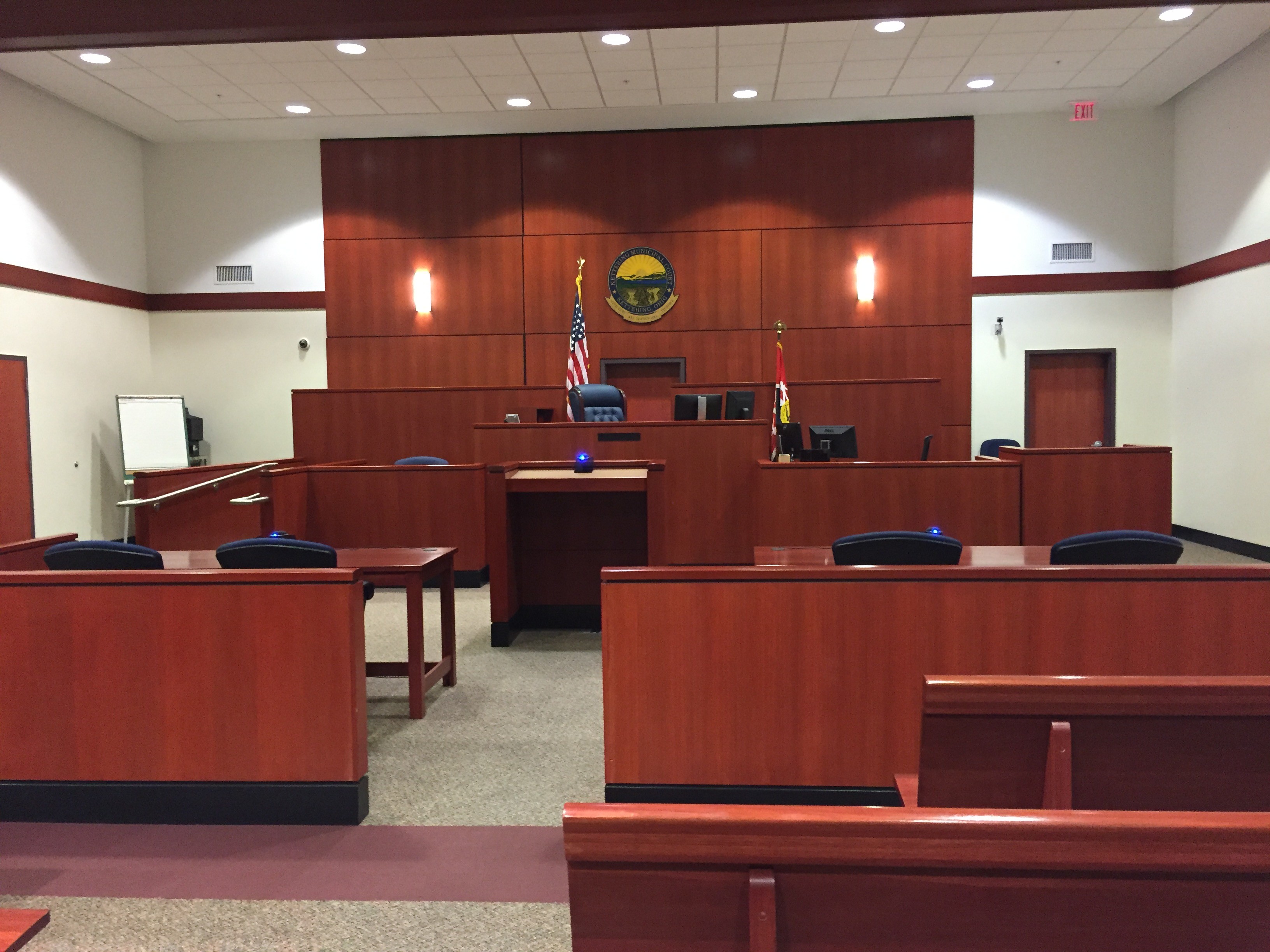
If you have been arrested for OVI in Centerville, KetteringMoraine or Washington Township, your misdemeanor OVI case will be heard in the Kettering Municipal Court.  If you need to find information about a case in the Kettering Municipal Court you can search HERE for case information/case look-up, or visit the court’s web site HERE.

Charles M. Rowland II has represented the accused drunk driver in the Kettering Municipal Court since 1995 and dedicates his practice to OVI law.  He has some of the most impressive credentials for OVI attorneys in the state of Ohio that you can review HERE.  If you find yourself in need of a criminal defense attorney in the Kettering Municipal Court, contact Kettering DUI Attorney Charles M. Rowland II today!

I am a DUI/OVI attorney, representing the accused drunk driver in the Miami Valley and throughout Ohio. Here you will find information to fight your case and get your life back! You can talk with me right now, or arrange a free consultation by calling 937-318-1DUI or 1-888-ROWLAND. “ALL I DO IS DUI DEFENSE

OVI Trial Strategy: The Cop Was Not A Liar (by DaytonDUI)

February 27th, 2013

Most Americans trust and respect police officers.  If you think that you will be able to go into a courtroom and overcome this ingrained belief you are, most of the time, dead wrong.  Americans do not like drunk drivers.  If you think that you can win an OVI case by calling the police officer a liar, you will probably lose.  One of the biggest mistakes an attorney can make is to position your case so that the jury must choose between believing the officer’s version of events or your version of events.  Jury verdict research suggest a modified approach.

The officer is most likely just doing his job when he comes in contact with your client.  Most cases involve an officer that acts professionally.  Jurors will see this.  Instead of being combative, cross-examine the officer in such a way that you meld his story with your client’s.  Generally develop the theme that the officer took the most damning aspects of the evidence and used them against your client instead of giving him a fair chance.  An example is bloodshot or glassy eyes.  ”There are other common causes of red eyes other than alcohol, aren’t there officer?”  You could ask about whether or not the officer inquired about other causes, whether the officer asked the accused to explain and whether or not the officer has any training in determining what constitutes bloodshot/glassy/red eyes.  When you take this approach the officer’s testimony will often open a door.  You could argue that the officer made a mistake just this once.  You may also be able to argue that the officer had his mind made up that your client was drunk as soon as he made initial contact. Lawrence Taylor, a great DUI attorney from California, often begins his cross-examination  of the officer by asking, “You testified that the defendant was under the influence of alcohol. Is it possible you are wrong?”

Nothing substitutes for experience and preparation.  A careful and thorough reading of the discovery, a detailed examination of any video tapes that exist, a visit to the scene of the arrest and a comprehensive interview with your client will help you develop at theme that will allow the jury to see the facts in a light most favorable to your client.  The goal is not a total anhiliation of the officer, but a path to reasonable doubt.

DUI attorney Charles M. Rowland II dedicates his practice to defending the accused drunk driver in Fairborn, Dayton, SpringfieldKetteringVandaliaXeniaMiamisburgHuber HeightsBeavercreekCentervilleSpringboro, Franklin and throughout Ohio.  He has the credentials and the experience to win your case and has made himself the Miami Valley’s choice for DUI defense.  Contact Charles Rowland by phone at 937-318-1DUI (937-318-1384), 937-879-9542, or toll-free at 1-888-ROWLAND (888-769-5263).  For after-hours help contact our 24/7 DUI HOTLINE at 937-776-2671.  For information about Dayton DUI sent directly to your mobile device, text DaytonDUI (one word) to 50500.  Follow DaytonDUI on Twitter @DaytonDUI or Get Twitterupdates via SMS by texting DaytonDUI to 40404. DaytonDUI is also available on Facebook,www.facebook.com/daytondui and on the DaytonDUI channel on YouTube.  You can also email Charles Rowland at: CharlesRowland@DaytonDUI.com or write to us at 2190 Gateway Dr., Fairborn, Ohio 45324.